
Clean Your Keycaps How to Clean Faster
Upgrade priority, soap buffs, and station routing to shrink every scrub-rinse-polish cycle.
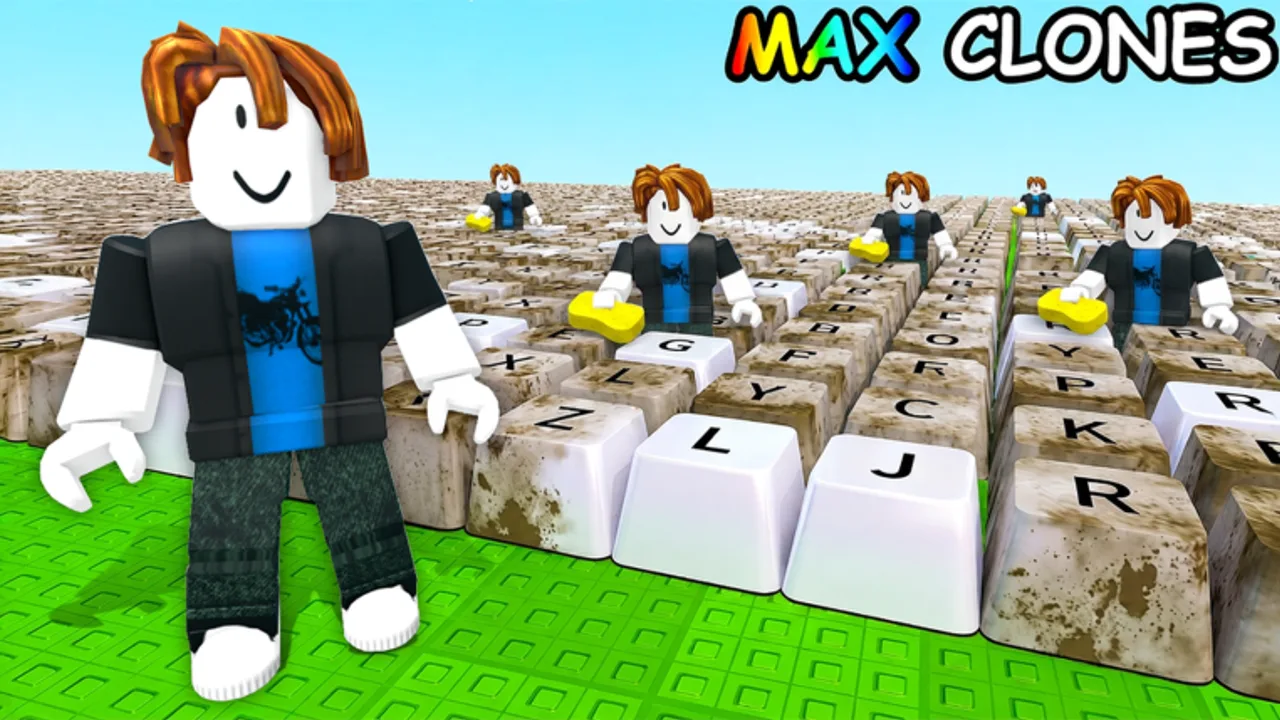
Speed in Clean Your Keycaps is measured in caps per minute, not how fast you click. The incremental loop rewards players who identify the slowest stage in the scrub-rinse-polish pipeline and buy upgrades that attack that bottleneck first. A bigger sponge does nothing if you still walk across the map to rinse every cap; dunking soap before every scrub wastes seconds if polish is the step capping your throughput.
This guide covers sponge tiers, soap rolling and dunking, movement between stations, and when to stop manual optimizing in favor of Hire Workers. Read How to Play first if you have not completed a full wash cycle, and keep Controls nearby if station prompts feel awkward on your device.
Find your bottleneck
Before spending cash, time three consecutive caps informally:
- Note seconds spent scrubbing until the dirt meter clears.
- Note travel plus rinse time.
- Note polish time until the cap is rack-ready.
Whichever block is longest gets your next upgrade dollar. Most early accounts are scrub-limited; mid accounts become rinse- or path-limited once sponges widen clean radius; late pre-worker accounts may be polish-limited if gloss checks require multiple passes.
Write the numbers mentally or on paper once — guessing leads to buying the flashiest sponge when you needed a closer rinse sink.
Sponge upgrade priority
Sponges are the most visible power spike in cleaning sims. Each tier typically raises:
- Scrub power per stroke — fewer passes over the same grime patch.
- Hit area — forgiving aim on mobile and console.
- Durability or buff uptime — less frequent soap dunking between caps.
General buying rule: purchase the next sponge tier as soon as its price is below roughly ten to fifteen minutes of your current income rate, unless you are saving for a worker milestone documented in How to Earn Money.
Do not skip multiple sponge tiers unless a sale or event explicitly discounts the jump — intermediate tiers often gate rinse speed or unlock soap roll quality you cannot access early otherwise.
Soap: roll and dunk timing
Soap systems in Clean Your Keycaps usually combine passive buffs with short active boosts:
Roll Soap — interact at the soap station to refresh your bar or add a temporary multiplier to scrub damage. Roll when the buff icon fades, not before — rolling during an active buff may overwrite remaining seconds with a weaker state depending on patch rules.
Dunk Sponge — soak the sponge for a burst window, often right before a high-grime cap or a cap type with resistant dirt. Dunk immediately pre-scrub, then finish the cap inside the buff duration.
Pair dunk windows with your fastest rinse path so buff time is not eaten by walking. If dunk cooldowns exist, alternate caps: dunk cap A, scrub cap B during travel, rinse A while B scrubs — advanced routing that becomes natural after a few sessions.
Station routing and movement
Treat your wash floor like a factory line:
- Keep dirty intake, scrub mat, rinse sink, and polish pad in a tight circle if the map allows repositioning or if multiple sinks exist — use the nearest sink every time.
- Pre-stage the next dirty cap within reach while rinsing the current one if interactions allow queueing.
- Enable shift lock on PC or mobile when scrubbing so camera drift does not add micro-delays. See Controls.
Running diagonally across the base between every stage is the silent killer of caps per minute. Fix pathing before buying premium gear.
Rinse and polish efficiency
Rinse stations often use hold-to-interact or tap-until-clear mechanics. Release early and the cap fails polish checks, forcing a return trip — slower than holding the full channel once.
Polish similarly may need continuous input until a sparkle effect triggers. Watch for visual cues (water droplets gone, gloss bar full) rather than assuming one tap suffices.
If polish fails repeatedly, the issue is usually incomplete rinse, not weak polish tools. Re-rinse saves more time than spamming polish on a streaky cap.
When upgrades beat skill
Manual technique tops out once input speed equals animation locks. Signals that you should shift budget to upgrades or workers:
- Scrub animations finish before your clicks register — you are waiting on the game, not your reflexes.
- Income per minute flatlines while sponge prices still rise — time to diversify into rinse or worker purchases.
- Other players with similar playtime pull ahead while you scrub harder — they likely bought the next tier or hired Auto Wash.
Workers versus manual speed
Hire Workers automates scrub or full wash lines. The correct time to hire is when worker output per minute exceeds what you gain from one more sponge tier at current prices. Rough test: if a worker costs less than twenty minutes of income and promises to handle half your manual scrub load, trial one worker before maxing sponges.
Workers introduce new bottlenecks — money collection and placement — so speeding cleaning alone can flood your rack if How to Earn Money collect habits lag behind.
Session habits that add free speed
Batch similar caps when the game spawns varied grime levels — dunk buffs stretch further on hard caps only.
Collect money on a rhythm tied to rinse cooldowns, not random detours that break station flow.
Avoid AFK during active buffs; soap and dunk timers do not pause for idle players.
Skip unverified code hunts — Active Codes lists none confirmed; time spent on fake code sites does not wash caps.
Late-game speed and rebirth
How to Rebirth multipliers indirectly raise cleaning speed by making upgrades affordable sooner. Rebirth before optimizing every micro-route if income curves flatten — multipliers can buy bigger sponges faster than perfect manual routing on a pre-rebirth account.
After rebirth, re-test your bottleneck. Reset stations sometimes change map layout or worker baselines, shifting whether scrub or rinse deserves first investment.
Summary upgrade checklist
- Measure scrub vs rinse vs polish time on three caps.
- Buy the next sponge tier when affordable at ten to fifteen minutes income.
- Roll soap on buff expiry; dunk pre-scrub on hard caps.
- Tighten movement path before buying luxury tiers.
- Hire first worker when automation beats the next sponge marginal gain.
- Rebirth when multipliers unlock faster than manual grinding.
Cleaning faster in Clean Your Keycaps is deliberate engineering, not frantic clicking. Attack the slowest station, respect soap timers, and let workers take over only when their output beats yours.
Frequently Asked Questions
Quick answers for Clean Your Keycaps players.
What is the best first upgrade for cleaning speed?
Usually the next sponge tier after you identify scrubbing as your bottleneck. If rinse travel takes longer than scrubbing, prioritize station access or upgrades that speed rinse first.
When should I roll soap in Clean Your Keycaps?
Roll when your soap buff icon expires or before a high-grime cap. Rolling during an active buff may waste remaining duration depending on current patch behavior.
Do workers clean faster than max sponges?
Workers automate scrubbing so you can focus on rinse and placement. They often beat manual play once priced reasonably — compare worker cost to your income per minute before buying.
Why is my cap still dirty after rinsing?
Incomplete rinse leaves residue that fails polish. Hold rinse until visual cues show clear water or a full meter before moving to polish.